For Every Person Who Thought They Were Too Much or Not Enough, and Is Still Learning Who They Are

Updated: Apr 9

There are days when you look at yourself and quietly wonder, Is this really me forever? Will I always feel this overwhelmed, this lost, this different? And if you’ve spent years carrying heavy things, adapting to impossible situations, or trying to make sense of a mind and body that don’t always match the world around you, it makes complete sense that you sometimes believe you’ll always struggle.
My heart aches to know you feel this way, because I’ve known those places too, I really do get it. Those moments where everything feels too much and not enough at the same time, where your world feels tight and your breath feels small. Trauma has many faces, and so does neurodiversity. Both can shape the way we experience the world, the way our bodies respond, the way our choices narrow, the way our spark dims, the way everything can feel smaller and tighter than it really is.
Whether your nervous system learned to stay alert because of what happened to you, or because your brain has always worked differently in a world that didn’t make space for that difference, it makes complete sense that things feel hard. None of this means you’re broken, it means you’ve been surviving.
You’ve survived things that shaped you in ways you didn’t choose, coped in ways you shouldn’t have had to, and carried burdens that were never yours to carry alone. And even though you shouldn’t have needed to be resilient in the first place, you are, quietly, fiercely, beautifully resilient and that deserves to be seen.
A diagnosis, a label, a report, or any “mental illness” language someone once used to describe your pain is not the whole of you, it’s just one small part of a much bigger, richer, more brilliant picture. There are so many parts of you that are creative, intuitive, funny, thoughtful, sensitive, clever, compassionate - parts that have been there all along, even when struggle made them harder to see.
Healing isn’t about becoming someone else, it’s about gently discovering what actually works for you, what steadies your nervous system, what helps you feel safe, what brings you back to yourself. And it’s never too early or too late to begin that exploration, whether you’re a teenager who feels the pressure of being “different” and worries this is who you’ll be forever, or an adult only now finding the language for your inner world.
What if this isn’t the end of your story, but the beginning of understanding it? What if you’re not stuck, but unfolding?
How do I know this?
And you might be wondering, How would she know any of this? How can she speak to so many different experiences at once? I want to honour that question, because it’s a protective one and you’re allowed to have it. I may not know your exact story, your exact pain, or the exact shape of your nervous system. I would never pretend to.
What I do know comes from two places, my own lived experience of navigating a sensitive, adaptive, deeply feeling nervous system and my training, which has taught me how the body holds stories, how survival shapes us, and how safety is rebuilt slowly, gently, moment by moment. I understand what it’s like to move through the world with needs that weren’t always understood, to feel “different” without having the language for it, to carry things quietly because you had to.
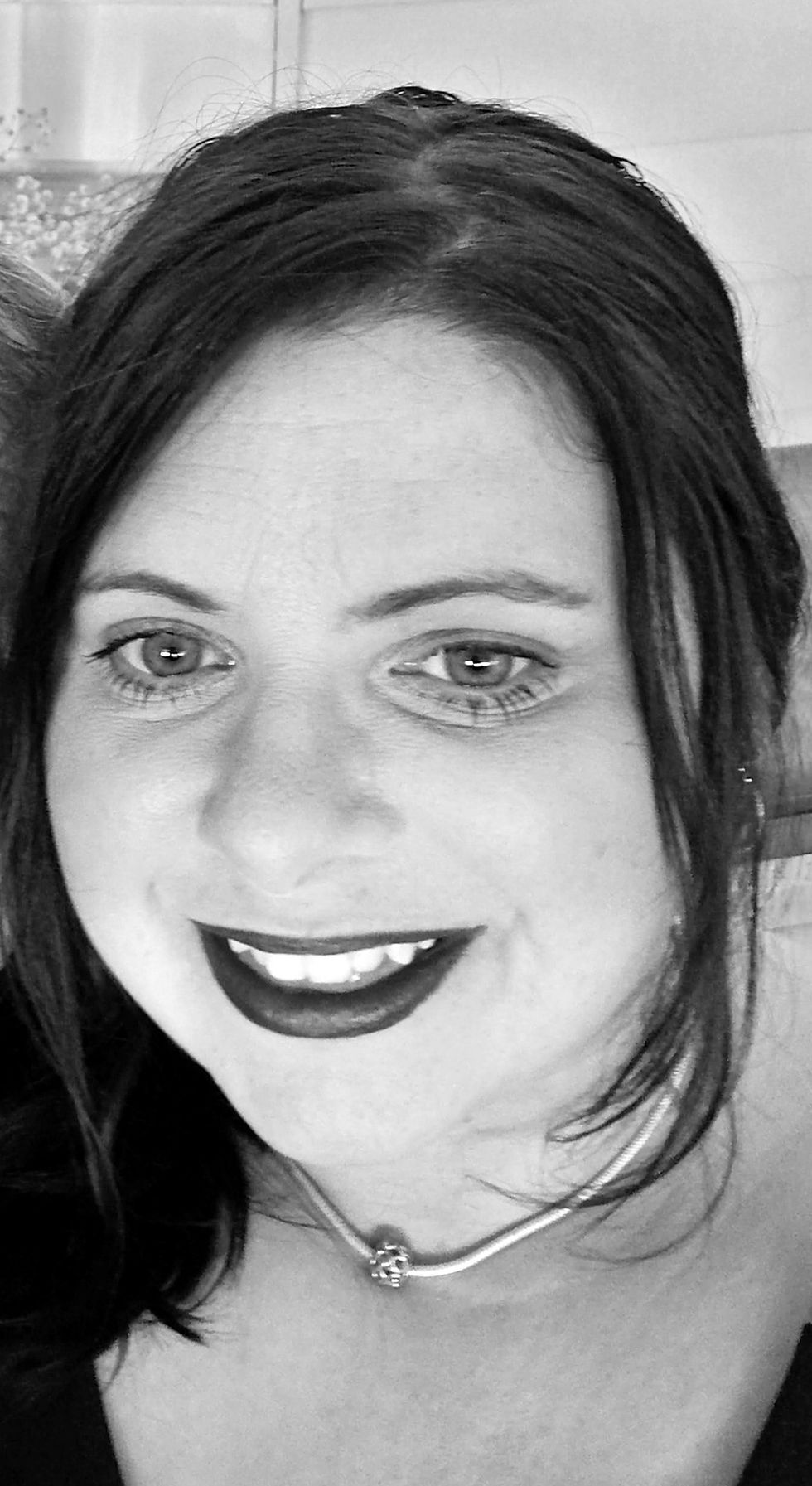
So when I speak to you here, I’m not claiming to know your story, I’m recognising the humanity, the tenderness, the courage, and the exhaustion that so many people carry beneath the surface. You are not “complex” or “too much.” You are human, with needs that make sense in the context of your life. And you deserve to be met with compassion, not correction.
And in the middle of all this, there are glimmers, those tiny, almost‑missed moments that are the opposite of triggers, the warm patch of sunlight on your arm, the song you forgot you loved, the breath that comes a little easier than the one before, the way your shoulders drop for half a second, the unexpected laugh, the quiet pride of doing something small but meaningful. These glimmers matter. They are proof that your world can widen again, that your spark isn’t gone, just waiting.
You are not failing, you are learning the shape of your own life. And with the right support, the kind that honours your pace, respects your limits, and helps you build a life that truly fits, you will find your path, not by becoming someone different, but by finally being allowed to become yourself. You are not behind.
And even if you can’t see it yet, you are already further along than you think. There is so much more to you than the struggle you’re carrying right now. You deserve a life that fits the shape of your nervous system, your heart, your history, your hopes. And you deserve to know that you are already more than enough, even on the days you can’t feel it.
Keep going, I’m here, steady and alongside you as you find your way.
And hold this close, your healing and your path will ebb and flow, like waves returning to the shore, and you don’t have to carry any of it by yourself. The way we shift a stressed nervous system is through these tiny, almost‑missed moments of safety, the warmth of your breath, the ground beneath your feet, the way your body softens for a heartbeat without you forcing it. We are teaching your nervous system that safety is possible again, one small glimmer at a time. These are the sparks that remind your system it can settle, even for a moment. These tiny sensations matter.
How many glimmers can you find today, even the smallest ones.