
From Hairdresser To Therapist: Learning To Trust The Journey

Updated: Mar 25
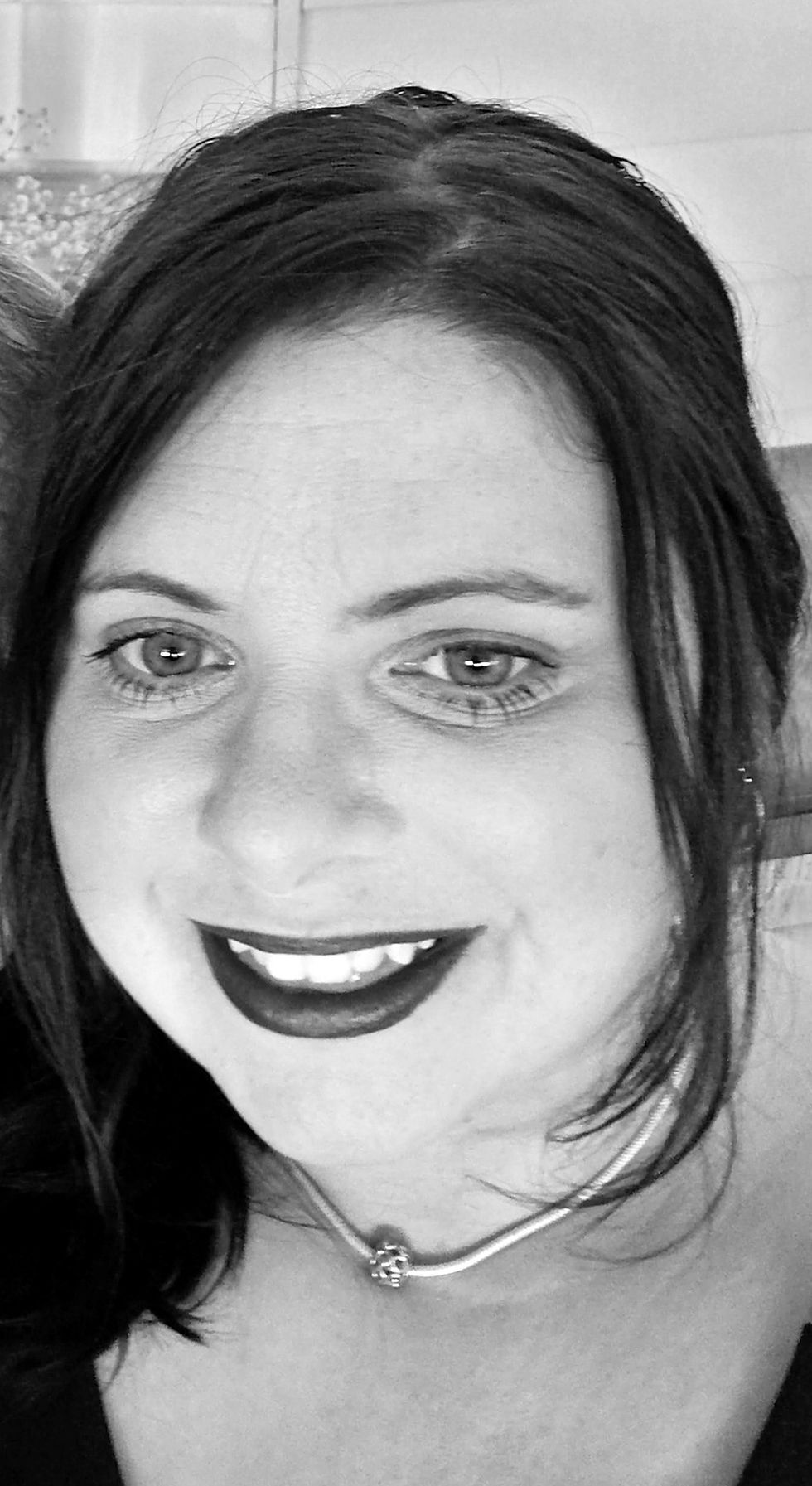
When I look back over my career, it still stops me in my tracks to think how one seemingly random decision altered the course of my life.
For years, I was a hairdresser. Not because I chose it, it was chosen for me when I was still young and at school. The fear from parents and pressure from school about not "achieving anything" was real.....but I had other dreams. If life had gone to my teenage plan, I’d have been on stage, dancing backup for Janet Jackson or Five Star (they must’ve lost my number).
Instead, I was sweeping floors in a well-known salon every Saturday, squeezing in shifts over half-terms, and, by 18, I was fully qualified with a full appointment book.
Even though I didn't want to be a hairdresser, I became good at it, I had a flair, I loved people and the creativity of it, so later I built my own thriving business that lasted twenty years, specialising in Bridal hair across the county. But the magic of that job wasn’t in the scissors, the colour bowls, or the perfect blow-dry. It was in the chair. Day after day, clients sat down and entrusted me with their stories, about families, heartbreak, victories, losses, and life’s unfiltered messiness. I realised something profound. People want to feel seen, heard, and valued and when someone listens without judgment, a kind of safety forms in the air between you.
I often wondered, Is this what therapy feels like?
The Seed That Grew
When I began my own personal therapy, I learned quickly it wasn’t just “a good chat.” Therapy was deep. Transformative. It cracked open a part of me I hadn’t known was shut and introduced me to the experience of a truly safe relationship, a kind of healing I didn’t know existed. I just couldn't figure out how it worked or why, but it was that safety, trust and holding that encouraged me to unravel and learn I don't have to carry it all alone.
One ordinary day, I was driving past my local college when a thought landed out of nowhere, I wonder if they run a counselling course? Before I could talk myself out of it, I’d turned into the car park, walked through the doors, and asked the question out loud.
A few weeks later, I was sitting in an introductory class, the first step on what I soon discovered would be a four‑year academic journey to qualify as an Integrative Counsellor. I didn’t tell my friends or family until the decision was already made. Some said it would be to much work, some were upset I'd leave hairdressing and some couldn't believe I'd want to study again, but..
I’m retraining, I said. My life is about to change. And I meant it.
That change didn’t stop with my initial qualification. As my work deepened, I found myself drawn to the unspoken language of the body, the subtle cues, sensations, and signals that so often tell our story before words can...I'd experienced it first hand. Trauma appeared again and again in the therapy room, not just in memories, but in tight jaws, hunched shoulders, restless hands, and nervous systems on high alert.
I realised how much we try to outthink our pain, to reason with it, or bury it in the mind, while our bodies quietly hold the score. So I committed to another year of study, this time in Somatic Trauma Psychotherapy. I wanted to understand much more how mind, body, and nervous system work together, and how healing can happen when we stop fighting those signals and start listening to them.
That moment of impulsively pulling into a car park became the starting point of an entirely new life, one built on curiosity, courage, and the belief that even the smallest decisions can open the door to profound change.
Leaving the Chair
The transition wasn’t tidy, it was chaotic and stressful. I still had a business to run, a family, a home, and now the intensity of counselling training, where years of self development, journaling, case studies, and volunteer experiential placements had to be fit in. Every day behind the hairdressing chair grew heavier. Some clients had been with me since I was sixteen, they’d watched me grow up. But my body began whispering truths my mind didn’t want to hear, the creeping dread before each day was prominent, my body was signalling to me with regular migraines and exhaustion, and near my qualification, a herniated disc in my back arrived, flooring me!
I tried everything, fewer hours, new routines, nothing helped. It wasn’t them, it was me. I’d fallen out of love with the work. The pull toward something more meaningful became so loud.
The Hardest Part Wasn’t the Studying
Therapy training doesn’t just give you tools for others, it turns the spotlight inward. You confront your own wounds, patterns, and shadows. For me, that meant facing the silence of my childhood, where my voice often wasn’t welcome as a parentified child. If I wanted to help clients speak freely and inhabit their full selves, I had to learn to do it first, vulnerability was tough.
It’s like being stripped down and rebuilt, brick by brick. Exhausting. Confronting. Liberating.
Losing People Along the Way
Few talk about how becoming a therapist reshapes your personal life. There’s an unspoken expectation that you’ll have it all together and be free from very human feelings like grief, sadness, or anxiety...that's not true. There are worries that I could mind-read... that's definitely not true. When you find your voice and set some boundaries, not everyone celebrates. Some may have preferred the “old me” who didn’t ask for much, who carried the load in silence but came to the rescue promptly, when asked.
Some relationships faded, others ended abruptly. It hurt, but I learned that stopping playing small disrupts unspoken agreements. That’s okay. The right people make space for your growth and in losing some, I found my people, especially among those who understand this path. I'm reminded of a Tutor saying "With change comes loss and with loss comes change", so true and bittersweet.
The Work and the Waiting
The lessons I carry into my practice are rooted in my own becoming. Therapy isn’t about speed or prying out every painful memory at once. It’s about pace, trust, and safety, the patience we build together.
In training, I hit walls. I wanted to hurry, hide. People told me, “Trust the process” and “It’s about the journey, not the destination.” I rolled my eyes, of course it’s about the destination, I thought. But the slow work reshaped me in ways the rush never could. Growth can’t be forced, nervous systems cant be rushed, adapting and integrating what we've been through is built in the spaces between the pauses, setbacks, and stretches where it feels like nothing is changing but, deep down, everything is. It doesn't have to be big.
In a recent chat with a lovely friend and fellow counsellor/supervisor, Becky Stone described how “You wouldn’t hand me the keys to your car/house, after knowing me for just five hours, so why would you hand me the keys to the most private corners of your inner world?”
Healing takes the time it takes. Patience is a muscle we strengthen and build together.
So when clients ask, “How long will this take?” my answer is always, it depends. This work is about more than “getting better” it’s about gently unlearning old patterns, practising new ones, and building the trust and self‑belief to carry those changes into the rest of your life.
Beyond Survival
It’s not simply about learning to manage trauma or stress, most of us already know how to survive. Survival has been our craft, we are actually skilled in it. The real work is something deeper, and, for many, far more unfamiliar, the art of inviting calm, joy, and ease into our lives… and staying there without bracing for it to vanish.
For so long, safety meant bracing for impact. Here, we practise something different, softening. Letting happiness linger without guilt. Sitting with stillness without the urge to fill it. Allowing the nervous system to learn that peace isn’t a trap, and joy can be a home, not just a fleeting guest. I know these too well.
Thriving isn’t the absence of pain, it’s the ability to let light in and not flinch.
No Magic Wands, Just Practice Runs
I keep a handful of toy wands in my office, a playful reminder there’s no spell for life’s hardest struggles. Healing is built, piece by piece, in the slow work we do together. My role isn’t to “fix” you, you’re not broken. I’m here to hold space for what’s heavy, offer tools and perspectives you may not have seen, and create a rehearsal room for the life you want to live beyond these walls.
We practise boundaries, speaking them, holding them, feeling their edges. We explore authenticity, the raw truth of who you are when you don’t have to edit yourself. We open space for self‑expression, the parts of you that have been stifled or hidden away.
Therapy, at its best, is a bridge, a place to imagine and practise the life you want until you’re ready to live it fully. And the day you no longer need me to "steady you", that’s the destination I was chasing all along. I'm rooting for you!
The Best Part of This Work
It’s not the thank‑yous, though they matter and are very welcome. It’s the goodbyes. When a client says, “I think I’m ready to leave,” my heart swells. It’s bittersweet, pride and a quiet ache, but it means we’ve found our footing. Therapy isn’t a place to stay forever, it’s a place to gather strength, reclaim what was lost, and remember who you are amongst many other things.
The Bag of Rocks
I often use this metaphor, we all carry a bag of rocks, big, small, jagged, smooth. Many were never ours, but we’ve hauled them so long they feel part of us. In therapy, we take them out one by one, decide which to keep, and lighten the load. You leave with a bag you can carry, and space for what truly matters.
Why I Stay
In a profession once taught to keep the self hidden, I choose to break the mould. (Ironic being my maiden name is Mould!)
Authenticity isn’t self‑indulgence, it’s an act of service. I share not to centre my story, but to meet my clients as a whole, living human being. Boundaries stay intact, but the walls soften so real connection can take root, I don't believe in being clinical and robotic.
My path from hairdresser to therapist gave me a perspective no textbook could teach. I don't claim to have all the answers. I’ve been on both sides of the chair, the one offering space, and the one desperate for it. I’ve felt the weight of feeling trapped, the ache of losing your voice, and the breath‑by‑breath process of reclaiming it.
When I sit across from someone, I don’t see a “case” or a label. I see a human carrying untold stories behind their eyes, fighting to be heard, sometimes scared, holding a thread of hope for a softer, truer future for themselves.


